Is Peanut Butter a Protein or a Carb?
Deconstructing the macro split — and the myth that a spoonful of peanut butter is a protein source.
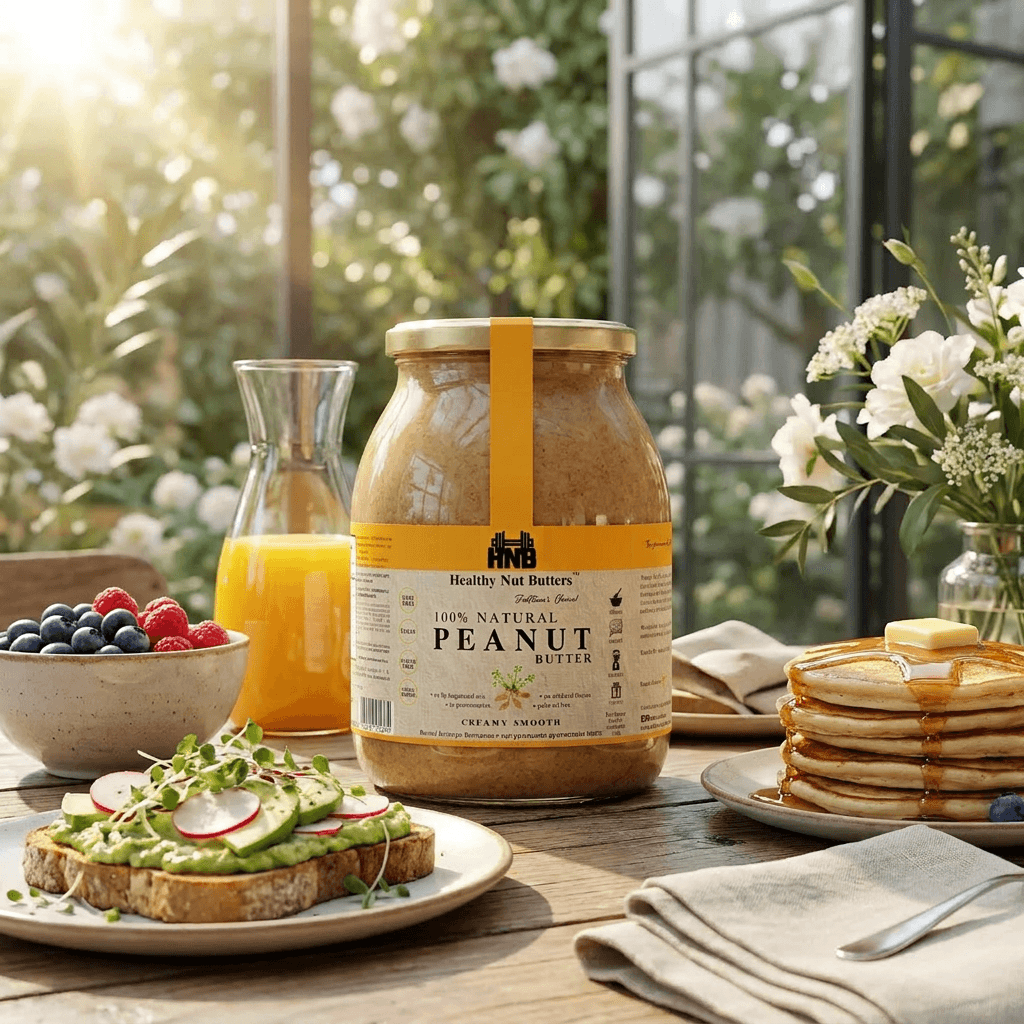
A Question the Label Won't Answer
Search peanut butter protein and you'll find it sold three ways: a gym-bag staple, a breakfast hero, a clean-bulking secret. Two tablespoons, the story goes, deliver eight grams of protein — proof enough that the jar earns its place beside the chicken and the whey.
The number is real. The framing is not.
Peanut butter is, by calories, a fat food first: roughly 190 calories per 32-gram serving, of which about 16 g is fat, 8 g protein and 7 g carbohydrate (USDA FoodData Central). The figure that matters isn't how much protein the spoonful carries, but how much of its energy that protein represents.
And on that measure, peanut butter answers to a different macronutrient entirely. This is where the protein-or-carb debate quietly collapses. The honest answer is neither.
The Marketing Sleight of Hand
The front of the jar wants you counting grams, not calories. "Good source of protein," it says — technically true, strategically misleading.
Here is the sleight of hand. Of the calories in a serving of natural peanut butter, only about one in six comes from protein. Roughly seven in ten come from fat. The carbohydrate fraction — the half of the binary everyone argues about — is the smallest slice of all.
So treating peanut butter as your protein source leaves a gap: you hit your calorie ceiling long before you reach a meaningful protein target.
It gets worse with commercial spreads. Add palm oil, icing sugar and emulsifiers, and the carbohydrate share climbs while the protein you were chasing stays exactly where it was.
Peanut Butter Protein: What the Macros Actually Say
Strip away the marketing and the peanut butter protein question becomes simple arithmetic. Here is what a clean, two-ingredient spread delivers per two-tablespoon (32 g) serving, from USDA reference data:
| Macronutrient | Per 2 tbsp (32 g) | Share of calories |
|---|---|---|
| Fat (mostly monounsaturated) | ~16 g | ~72% |
| Protein | ~8 g | ~16% |
| Carbohydrate (2–3 g fibre; 1–3 g natural sugar) | ~7 g | ~14% |
| Calories | ~190 | — |
So the spread is fat-first, protein-second, carb-last. That settles the binary — but it raises a subtler question about the protein itself.
Peanut protein is incomplete. As a legume, peanut butter is generous in some essential amino acids yet limited in methionine, which caps how efficiently the body uses it for tissue repair. Its protein-quality score (PDCAAS) sits near 0.52, against 1.0 for whey or egg, per the plant-protein literature in Frontiers in Nutrition. That isn't a flaw to fear — it's a reason to pair intelligently.
There's a second ceiling. Muscle protein synthesis is triggered largely by leucine, and research associates a per-meal dose of roughly 2.5–3 grams with maximal stimulation (American Journal of Clinical Nutrition). Two tablespoons of peanut butter supply around half a gram. Useful — but not, on its own, an anabolic signal.
One upside of that small carb load: buffered by fat and fibre, the spread behaves gently with blood sugar — a separate story we've told in full.
How to Make the Protein Count
The fix is not to eat more peanut butter. It's to position it correctly.
Pair it with a complementary protein and the amino-acid gap closes: peanut butter on whole-grain bread, or stirred into oats, supplies the methionine peanuts lack — complementary proteins working as one.
To actually drive muscle, let peanut butter ride alongside a leucine-dense partner — Greek yoghurt, milk, a scoop of whey — rather than carry the load itself. Treat it as the calorie-dense, flavour-rich base that makes a high-protein meal worth eating, not the protein engine. If muscle is the goal, it sits naturally among the high-protein nut butters built for that job.
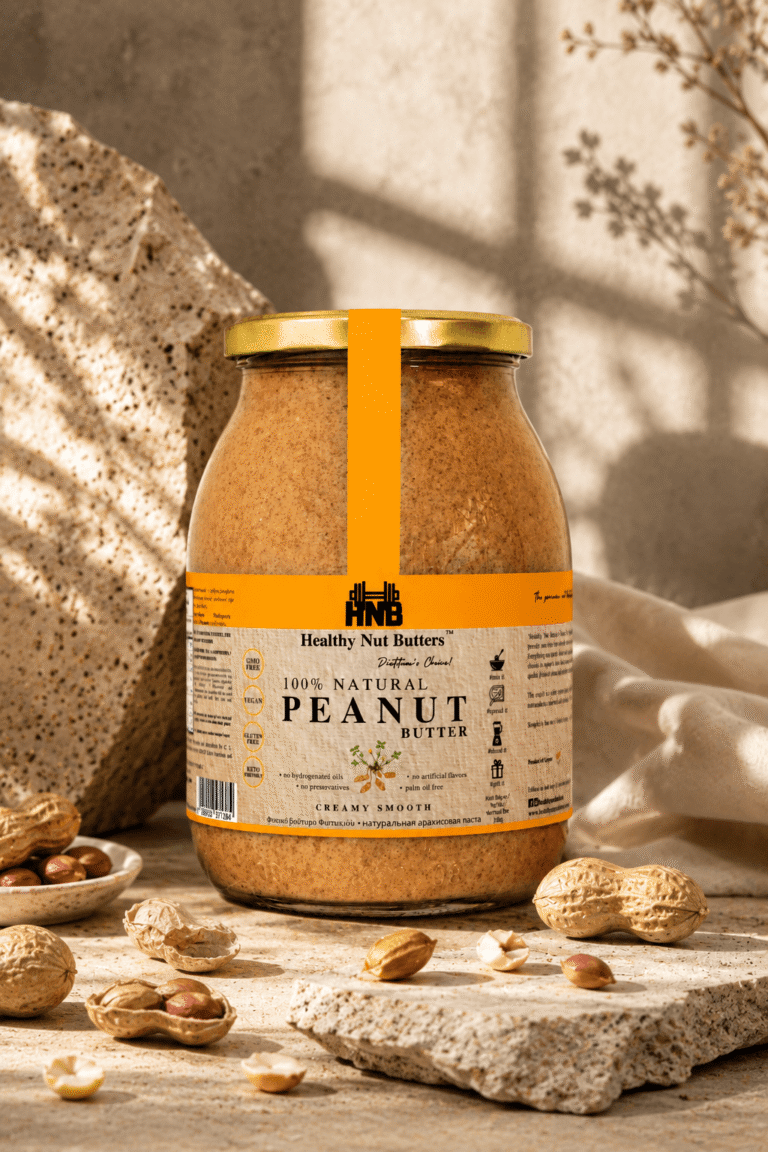
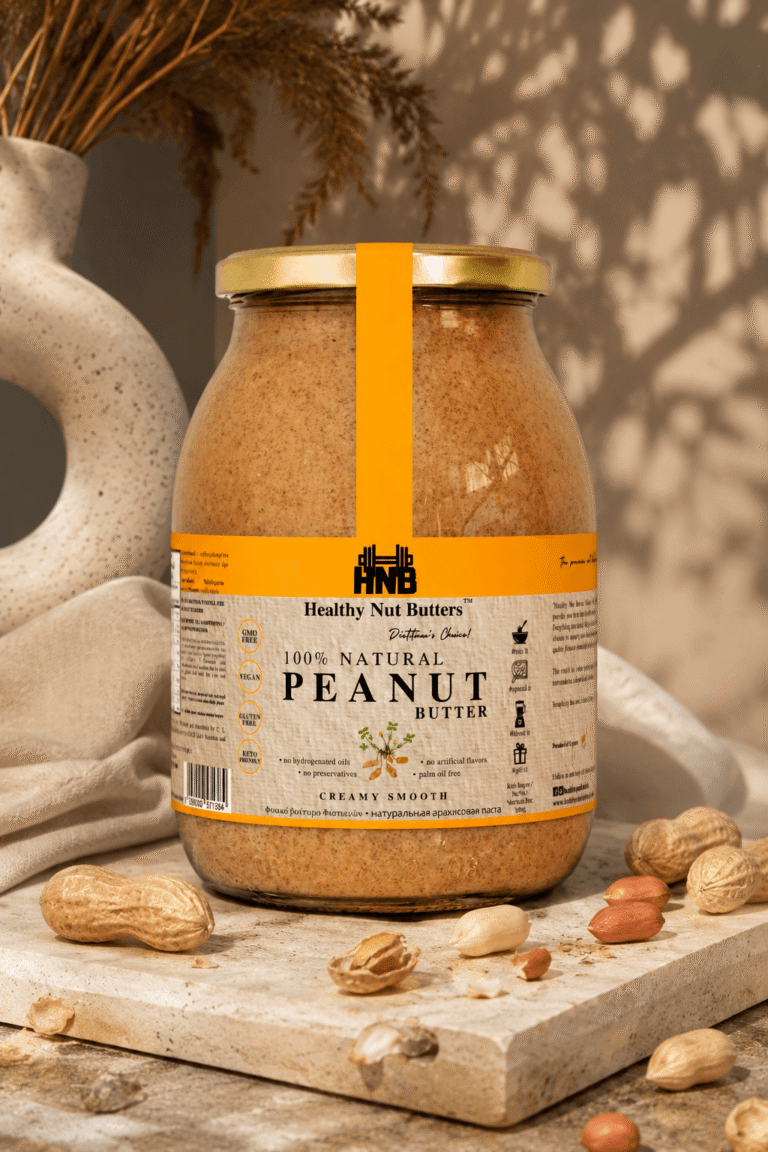
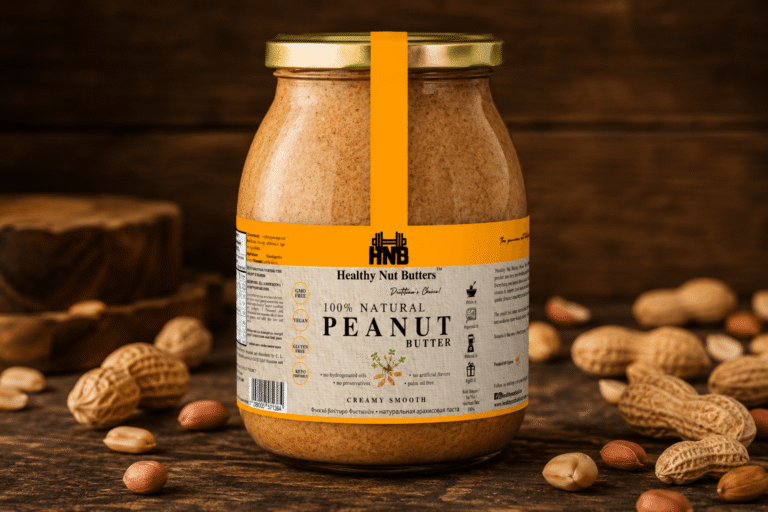
And the base has to be clean. Here our editors are unmoved: a spread padded with hydrogenated oil and sugar distorts every number above. After screening label after label, our Editor's Choice for absolute purity remains HNB 100% Classic Peanut Butter — peanuts, nothing else, so the macros on the panel are the macros in the jar.
The Verdict
So — protein or carb? Neither. Peanut butter is a fat food that happens to carry a respectable amount of protein, and that is precisely its value: a dense, satisfying, nutrient-rich foundation rather than a standalone protein hit.
Stop asking it to be whey. Start using it as what it is — the most luxurious way to make a clean, protein-anchored meal taste like something you'll actually return to. Whether that foundation is honest comes down to quality alone; the rest, as we've seen, is just arithmetic. (The broader case for the spread lives in our pillar, is peanut butter healthy. For the full muscle breakdown, see The Anabolic Density of Peanut Butter)
JOIN THE READING CLUB
Get new articles, recipes, and member-only offers - straight to your inbox.