The Thin Line Between Bulking and Bleeding Calories
Is 100 grams of peanut butter a day a structural asset — or a metabolic mistake?
The Number Everyone Argues About
When it comes to peanut butter bulking, one figure starts every argument: 100 grams a day.
To a hard-gainer it sounds like salvation. To a dieter it sounds like disaster. Both are right — and that's the whole problem.
One hundred grams of natural peanut butter is roughly 590 calories (USDA) — about a quarter of many people's entire daily intake, delivered in three or four effortless spoonfuls. That density is either your greatest weapon or your quietest saboteur, depending on one thing: whether those calories were planned.
This is the thin line. On one side, a clean, efficient surplus. On the other, fat gain you never accounted for.
Why "It's Healthy" Isn't the Same as "It's Free"
There's a comforting half-truth in fitness circles: nuts don't make you fat. The population data even seem to back it — regular nut eaters tend not to gain the weight their calories predict, thanks to satiety, dietary compensation and incomplete fat absorption from the whole nut (American Journal of Clinical Nutrition).
But here's the catch that wrecks the spoon-from-the-jar habit: that free pass applies to whole nuts, not peanut butter. Grinding shatters the cell walls that lock fat away, so the butter releases far more of its calories than a handful of intact peanuts would.
In other words, 100 grams of peanut butter sits much closer to its full 590 calories than the myth lets you believe. Mindless grazing — the open jar, the unmeasured spoon — is how a "healthy" food quietly becomes a surplus you never chose.
The Math of a Smart Surplus
The case for peanut butter bulking is just arithmetic with intent. To add lean mass you need a modest calorie surplus — and peanut butter is one of the most efficient, nutrient-dense ways to build one.
| Per 100 g natural peanut butter | Amount |
|---|---|
| Calories | ~590 |
| Protein | ~25 g |
| Fat (mostly monounsaturated) | ~50 g |
| Carbohydrate (incl. ~6 g fibre) | ~20 g |
| Magnesium | ~40% DV |
| Niacin, vitamin E | meaningful amounts |
Run the numbers. For a hard-gainer struggling to eat enough, ~590 quality calories is a structural asset — dense, portable, far easier to get down than the equivalent in chicken and rice. And that energy arrives with 25 g of protein, fibre and a serious magnesium load, not empty sugar.
But the same 590 calories, on top of an already-adequate diet with no training stimulus, is simply stored. There's no metabolic loophole large enough to hide a daily surplus you didn't earn.
Asset or Error: How to Tell Which You're Running
The food doesn't decide. Your context does.
- Hard-gainer in a deliberate surplus, training hard? 100 g a day is a clean, efficient tool. Measure it, fold it into shakes and meals.
- Maintaining or cutting? Treat the same 100 g as a luxury to budget — a measured tablespoon, not the open jar.
The discipline isn't avoiding peanut butter. It's measuring it. A spoon, not a guess. For surplus-building specifically, the high-protein nut butters earn their place.
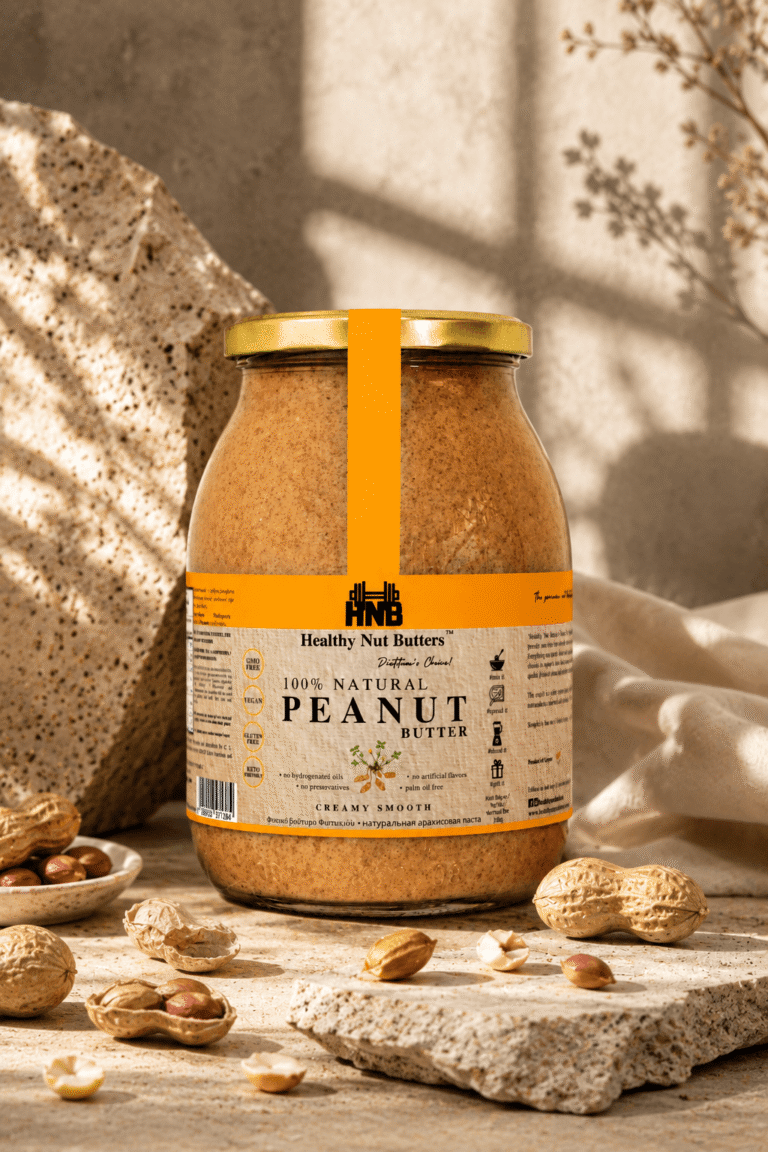
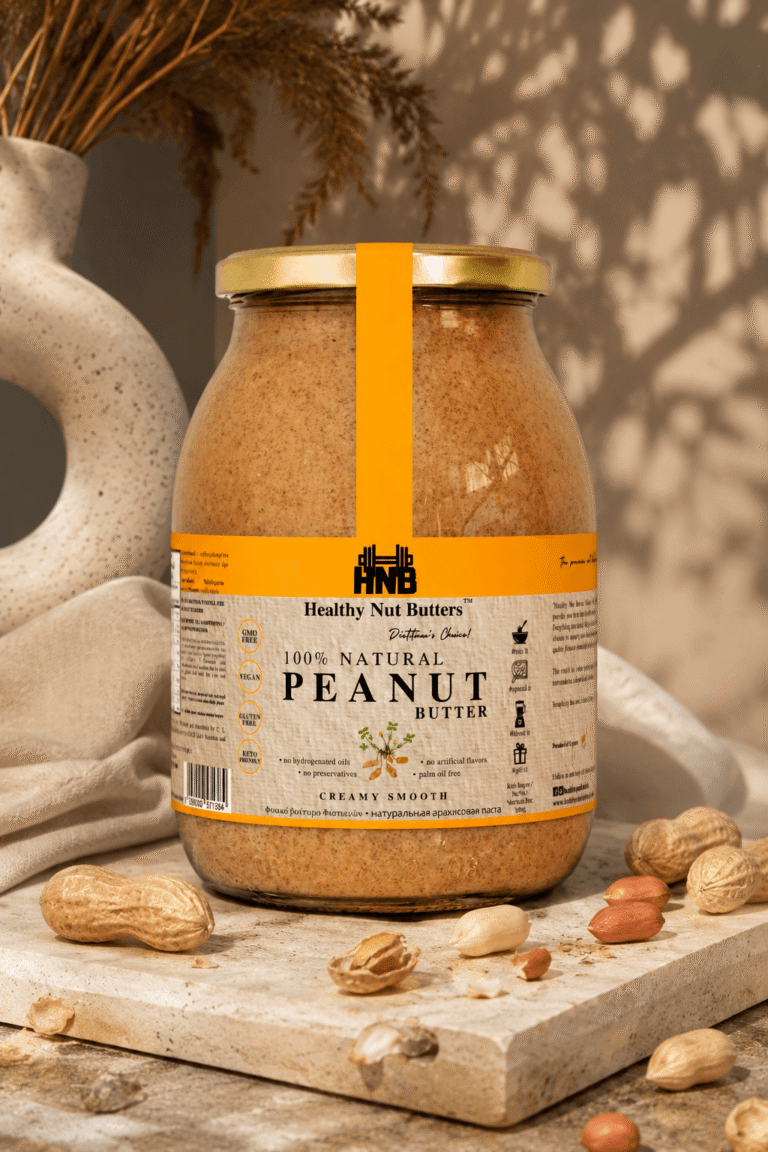
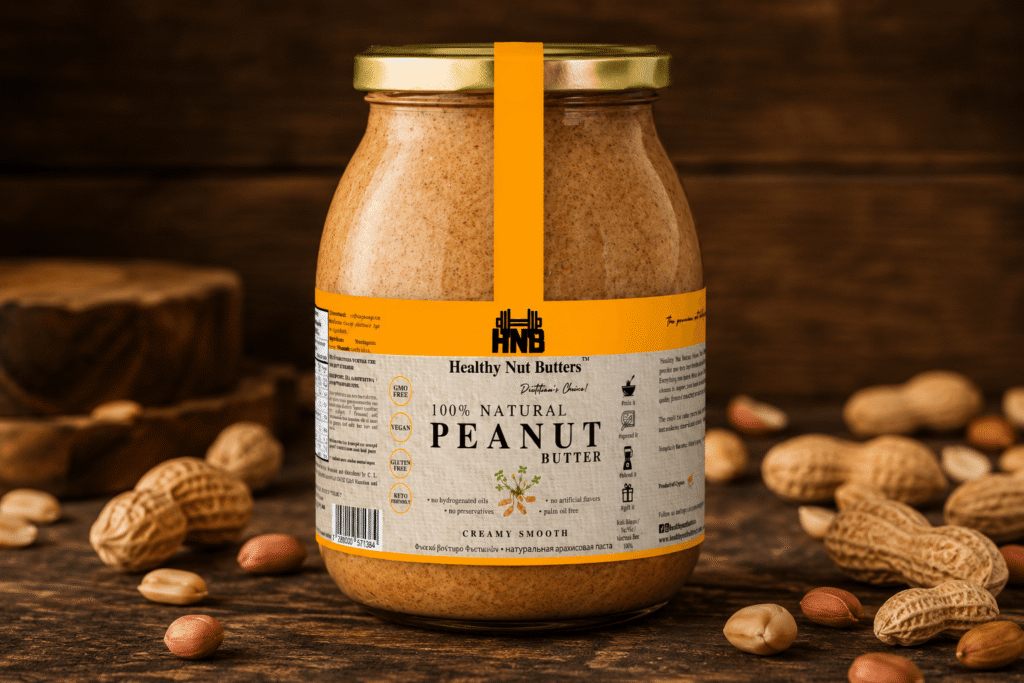
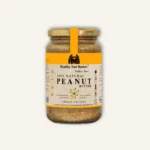
And the jar's contents have to be honest, or the math collapses. A spread bulked out with sugar and palm oil changes every figure above. After screening label after label, our Editor's Choice for absolute purity remains HNB 100% Classic Peanut Butter — so 100 grams means 100 grams of peanuts.
The Verdict
So — asset or mistake? Peanut butter bulking is neither, inherently. It's a multiplier. In a deliberate surplus, 100 grams a day is one of the cleanest ways to grow. Outside one, it's the most delicious way to bleed calories you'll wish you'd counted.
The line between the two isn't the food. It's the spoon, and the intent behind it. (For the broader case on the spread, start with is peanut butter healthy. For the full muscle breakdown, see The Anabolic Density of Peanut Butter)
JOIN THE READING CLUB
Get new articles, recipes, and member-only offers - straight to your inbox.