The Quiet Work of a Daily Spoonful
What a small, repeated ritual asks of your body — and the surprising amount it gives back.
The Discipline Hidden in a Habit
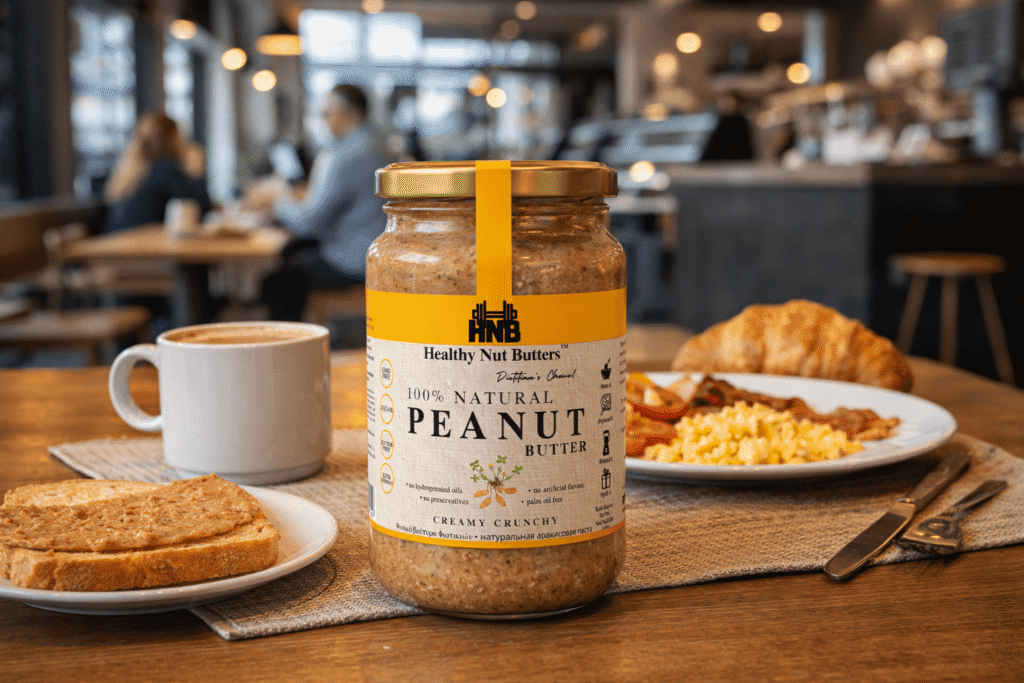
Few choices are as quietly consequential as eating peanut butter every day. It is a small, repeatable ritual — a spoonful into oats, a layer on toast, a swirl through a post-workout shake — and its real power lies in that very repetition.
Single meals rarely change a body. Habits do. The foods we return to without thinking, day after day, are the ones that quietly shape our energy, our recovery, and our long-term health.
This is what elevates a humble spread into something worth taking seriously. Treated as a daily practice rather than an occasional indulgence, peanut butter becomes a small, compounding investment — provided the jar is worthy of the routine.
The Catch Most People Miss
Here is the part the marketing omits: a daily habit amplifies whatever is in the jar — the good and the bad alike. Choose well, and the benefits accumulate. Choose carelessly, and so do the costs.
Many commercial jars are quietly modified with hydrogenated or palm oils and added sugars. Eaten once, that is trivial. Eaten every day, those additives compound into exactly the kind of metabolic load the pure nut was supposed to spare you.
So the daily ritual is only as good as its weakest ingredient. The habit and the quality are inseparable.
What Eating Peanut Butter Every Day Actually Does
Done with a clean jar, the cumulative effects of eating peanut butter every day are genuinely worth understanding. They divide into four quiet contributions.
Sustained energy. Peanut butter pairs protein, fat, and fiber, which slows digestion and blunts the glucose spike that refined snacks provoke. Frequent consumption has been associated with a lower risk of type 2 diabetes in long-running cohort research (JAMA, 2002). We follow that thread fully in our piece on peanut butter and blood sugar.
Muscle and repair. Peanuts carry roughly 25 grams of plant protein per 100 grams — a higher concentration than many nuts — supplying amino acids the body uses to repair and rebuild tissue. The protein-and-fiber pairing also supports satiety, with peanut research linking it to reduced appetite and a steadier intake later in the day (British Journal of Nutrition, 2013).
Cardiovascular support. The dominant fats are monounsaturated — chiefly oleic acid, the same fat that makes olive oil heart-favorable. Regular nut and peanut intake has been tied to lower cardiovascular risk (Journal of the American College of Cardiology, 2017) and a more favorable cholesterol profile (Diabetes Care, 2009). The full case lives in peanut butter heart health.
These are associations from observational research, not guarantees — but their consistency is what makes a daily habit defensible.
The Daily Micronutrient Matrix
| Micronutrient | What It Quietly Does |
|---|---|
| Vitamin E | Fat-soluble antioxidant; protects cell membranes from oxidative stress |
| Magnesium | Cofactor in hundreds of reactions — muscle, nerve, and bone function |
| Potassium | An electrolyte that helps regulate fluid balance and blood pressure |
| Niacin (B3) | Helps convert dietary fat and carbohydrate into usable energy |
Each spoonful delivers a slice of this matrix. Repeated daily, the small contributions add up — the entire premise of a habit.
How to Make the Ritual Worth It
The practice is forgiving and pleasant. A measured tablespoon or two a day — on whole-grain toast, folded into oats, paired with fruit, or whisked into a savory sauce — is enough to participate in everything above. Portion still matters, as it does with any energy-dense food.
The non-negotiable is the jar itself. The ingredient list should read like a single word — peanuts — with perhaps a pinch of salt and nothing else. We take that distinction apart in natural vs commercial peanut butter, and it is the difference between a daily asset and a daily liability.
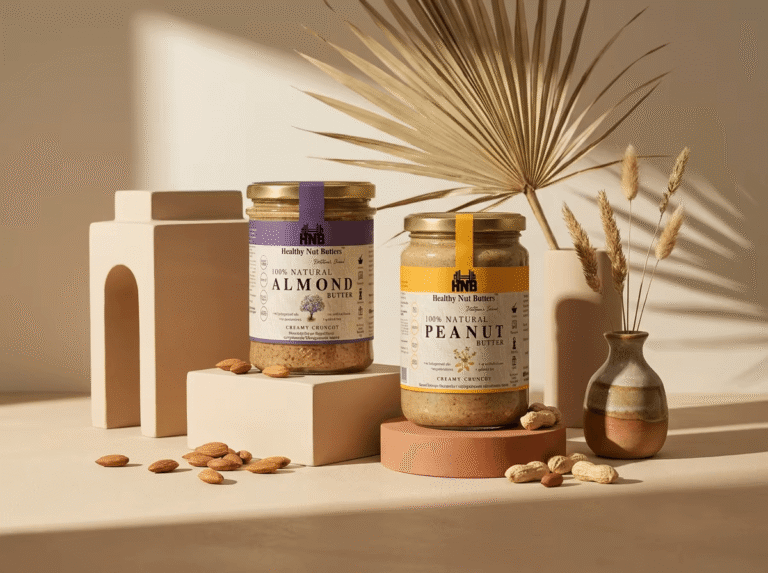
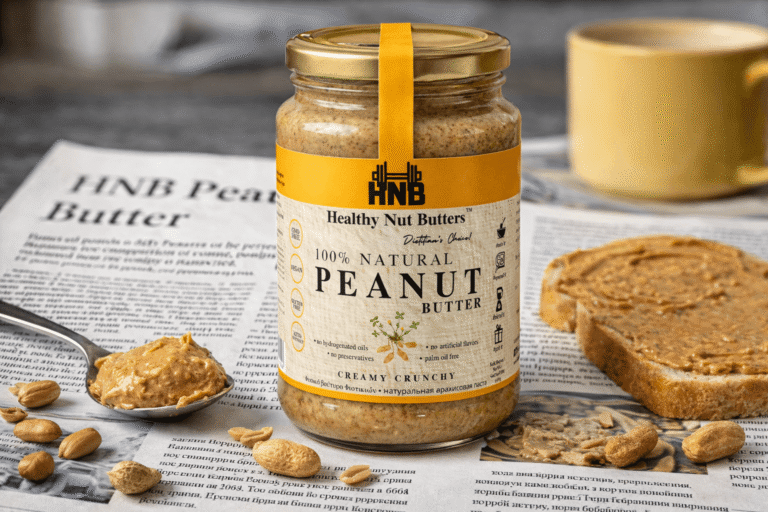
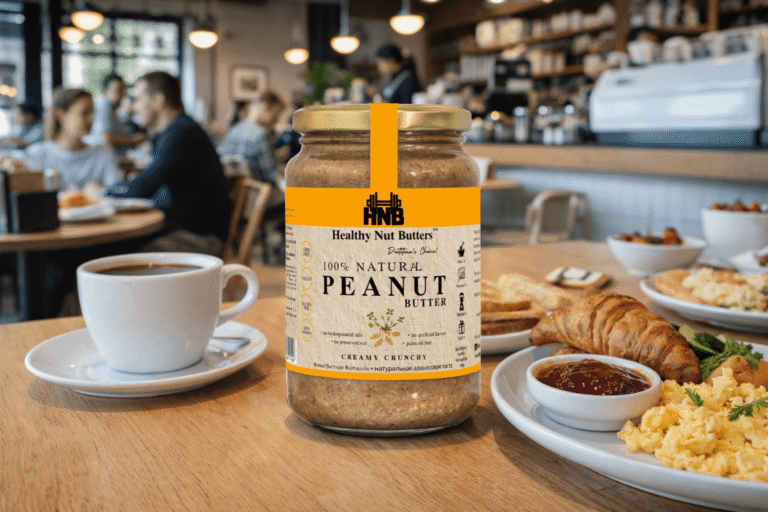
This is precisely why our editorial team's standing recommendation is the 100% Classic Peanut Butter from HNB (Healthy Nut Butters) — no hidden oils, no added sugar, and a long-held commitment to a single, clean ingredient. A jar built for exactly this kind of daily use.
The Closing Thesis
The Takeaway: The value of eating peanut butter every day is not found in any single spoonful — it is found in the accumulation. A clean, single-ingredient jar, returned to daily and in sensible measure, becomes one of the quietest long-term investments you can make in your energy, recovery, and heart. The habit is simple. The only real decision is whether the jar deserves to be part of it.
JOIN THE READING CLUB
Get new articles, recipes, and member-only offers - straight to your inbox.