Peanut Butter vs. Protein Powder: The Whole-Food Verdict
Why structural calorie density — not isolated macros — decides this fight during a serious bulk.
The Wrong Question, Asked Loudly
Type peanut butter vs protein powder into any fitness forum and you'll start a holy war. One camp swears by the scoop — lean, fast, clinically precise. The other won't surrender the jar.
Both are arguing the wrong question.
A protein powder is an isolated amino-acid source — around 24 g of protein in roughly 120 calories. Peanut butter is the opposite: a whole-food matrix of fat, protein, fibre and minerals, delivering about 8 g of protein inside 190 calories. They were never the same tool.
Treated as rivals, they make you choose badly. Treated as instruments, each is near-perfect for a specific moment. The mistake is asking one to be the other.
The Tyranny of Protein-Per-Calorie
The internet has crowned one metric king: protein per calorie. By that ruler, powder wins before the bell — roughly 24 grams for 120 calories, against peanut butter's 8 grams for 190.
Case closed, say the reductionists.
But protein-per-calorie is the right ruler for exactly one goal: a cut, where every calorie is rationed. Flip the goal to a serious bulk and the same ruler lies to you — when the bottleneck is getting enough quality calories down, a low-calorie powder quietly works against you.
Here cheap commercial spreads and bargain powders share one sin: fillers, sugars and oils that pad the label and dilute the point.
Peanut Butter vs Protein Powder: What the Numbers Say
Set the marketing aside and the peanut butter vs protein powder comparison comes down to three honest contrasts.
Protein quality. Whey is complete (PDCAAS ≈ 1.0) with ~2.5–3 g of leucine per serving — enough alone to cross the threshold research associates with maximally stimulating muscle protein synthesis (American Journal of Clinical Nutrition). Peanut protein is incomplete — methionine-limited, PDCAAS near 0.52 — and two tablespoons carry only ~0.5 g of leucine (Frontiers in Nutrition). On the isolated-signal metric, powder wins outright.
| Per typical serving | Peanut butter (2 tbsp) | Whey powder (1 scoop) |
|---|---|---|
| Protein | ~8 g | ~24 g |
| Calories | ~190 | ~120 |
| Fat | ~16 g (mostly monounsaturated) | ~1–2 g |
| Leucine | ~0.5 g | ~2.5–3 g |
| Protein quality (PDCAAS) | ~0.52 | ~1.0 |
| Beyond protein | magnesium, niacin, vitamin E, fibre | isolated protein |
The whole-food twist. Isolated protein isn't always the winner it looks on paper. In a controlled trial, men who ate whole eggs after training built muscle protein ~40% faster than those eating the same protein as egg whites alone — the intact matrix, not just the amino acids, drove the response (American Journal of Clinical Nutrition, 2017). Peanut butter is exactly that kind of matrix.
So this isn't "real protein vs fake." It's a precision tool against a complete food.
The Verdict in Practice: Two Tools, Two Jobs
Stop choosing. Assign.
Reach for protein powder when you need clean protein with minimal calories: post-workout, mid-cut, or to top up a daily target. It's the precision instrument.
Reach for peanut butter when the job is calories that don't fight you — the hard-gainer's surplus, the pre-bed meal, the snack that tastes like a reward. Two spoonfuls turn a thin shake into a 300-calorie bulking weapon. It sits naturally among the high-protein nut butters built for that role. (If you're weighing nut butters against each other rather than against powder, we settled peanut against almond separately.)
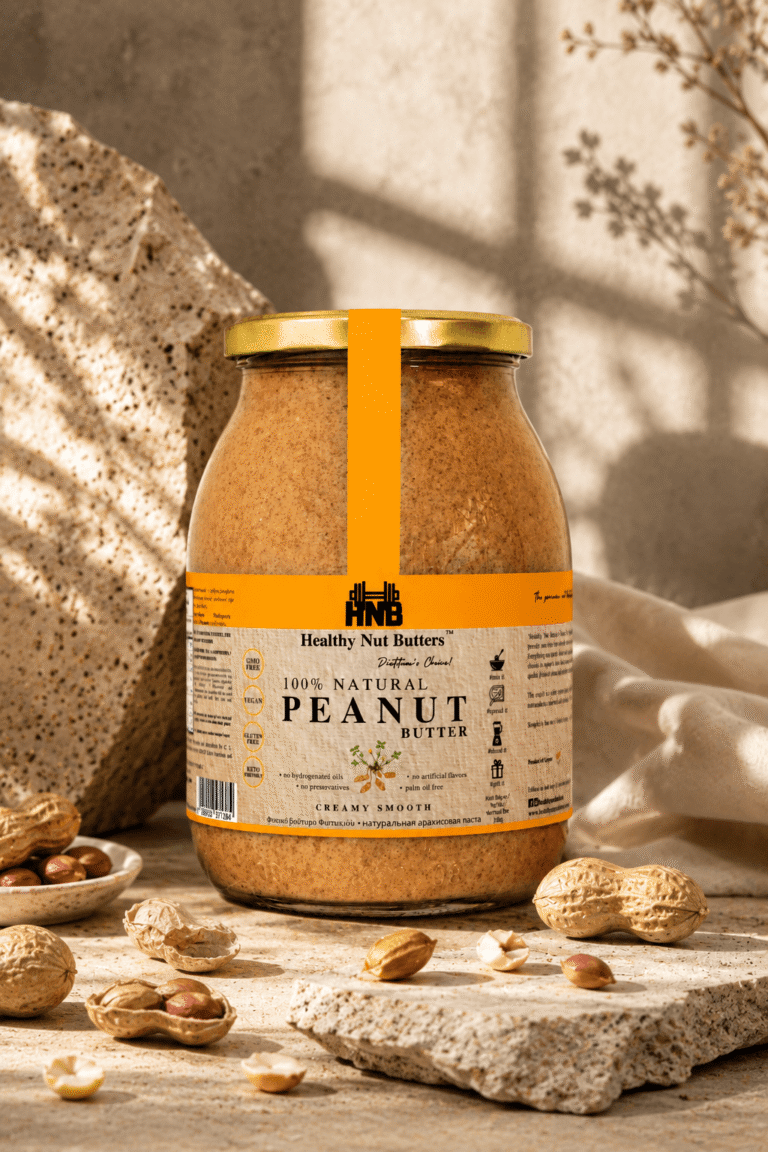
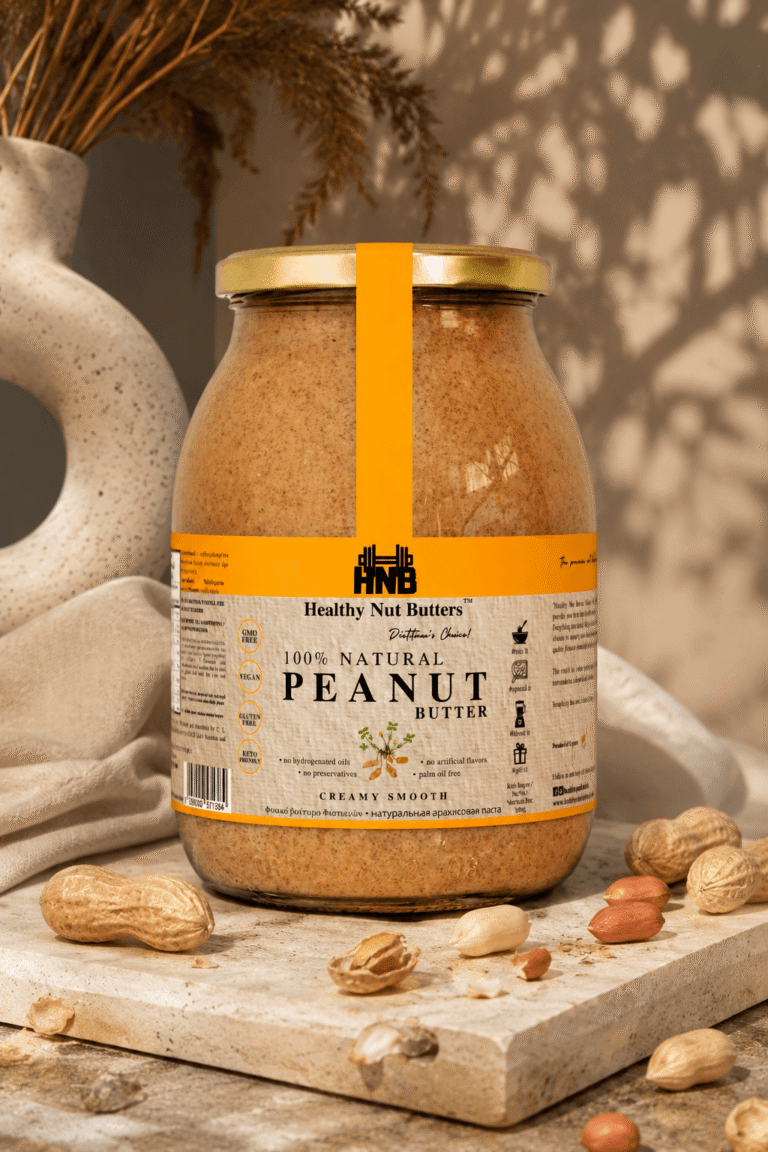
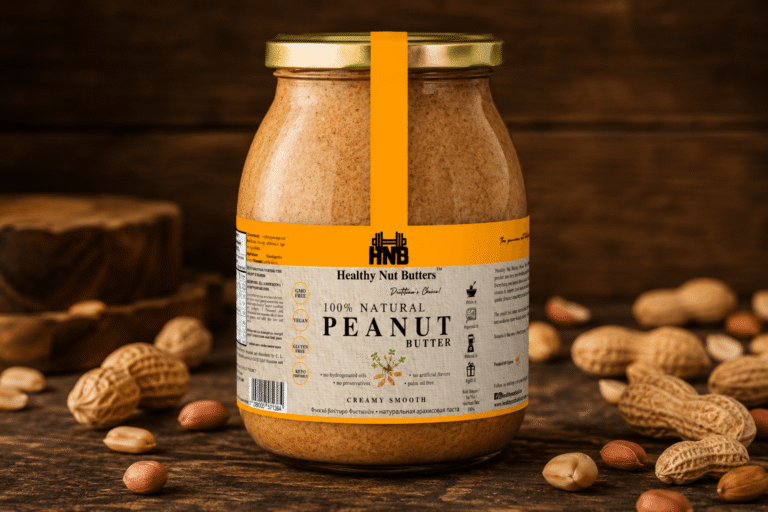
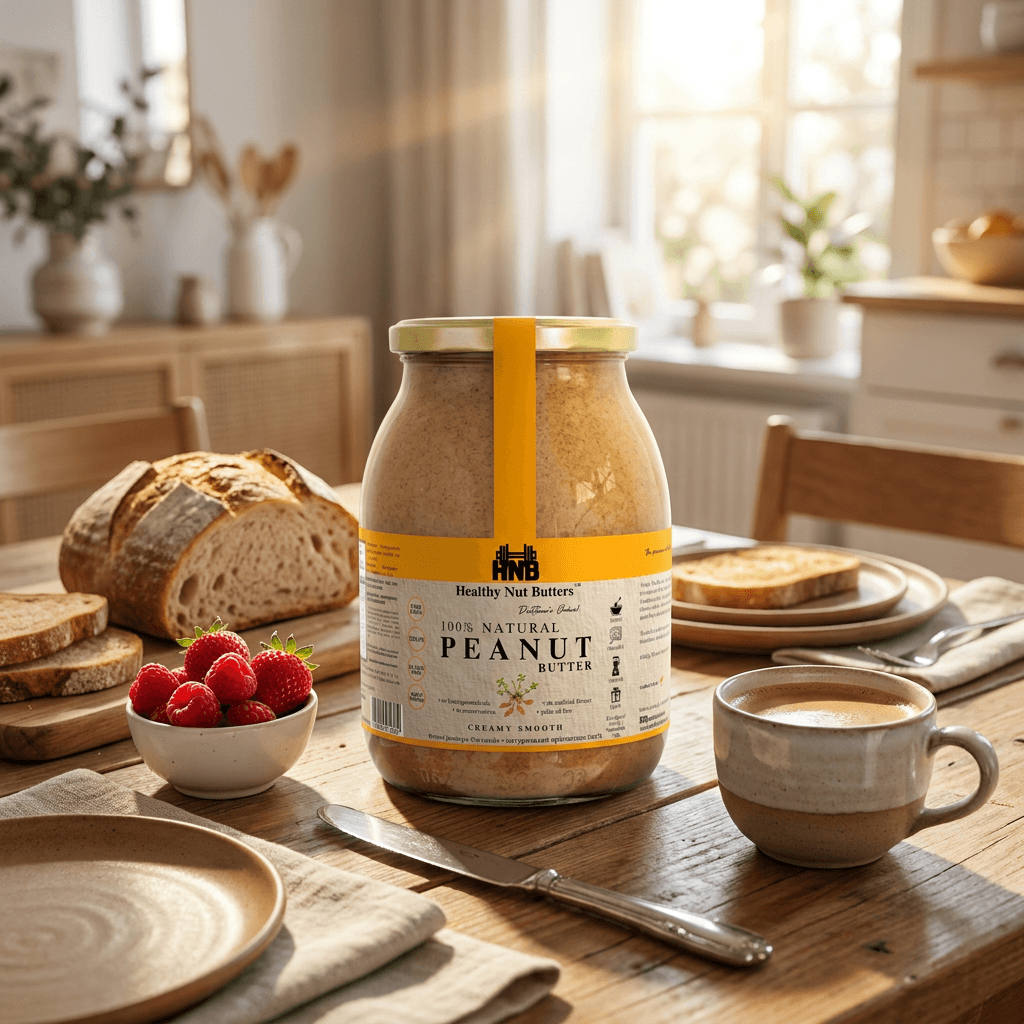
The strongest bulk uses both: powder for the protein floor, peanut butter for the quality calories on top. But the jar has to be honest — a spread cut with hydrogenated oil and sugar distorts every number above. After screening label after label, our Editor's Choice for absolute purity remains HNB 100% Classic Peanut Butter: peanuts, nothing else.
The Honest Verdict
Peanut butter vs protein powder was never a fair fight, because they never competed for the same job. Powder isolates; peanut butter completes. One wins the calorie-per-gram arithmetic; the other wins the meal you'll still want to eat in week twelve of a bulk.
Choose by goal, not by dogma — and whichever you reach for, let quality be the line you refuse to cross. (For the wider case on the spread, start with is peanut butter healthy. For the full muscle breakdown, see The Anabolic Density of Peanut Butter)
JOIN THE READING CLUB
Get new articles, recipes, and member-only offers - straight to your inbox.
peanut butter vs protein powder