Peanut or Almond: An Honest Verdict
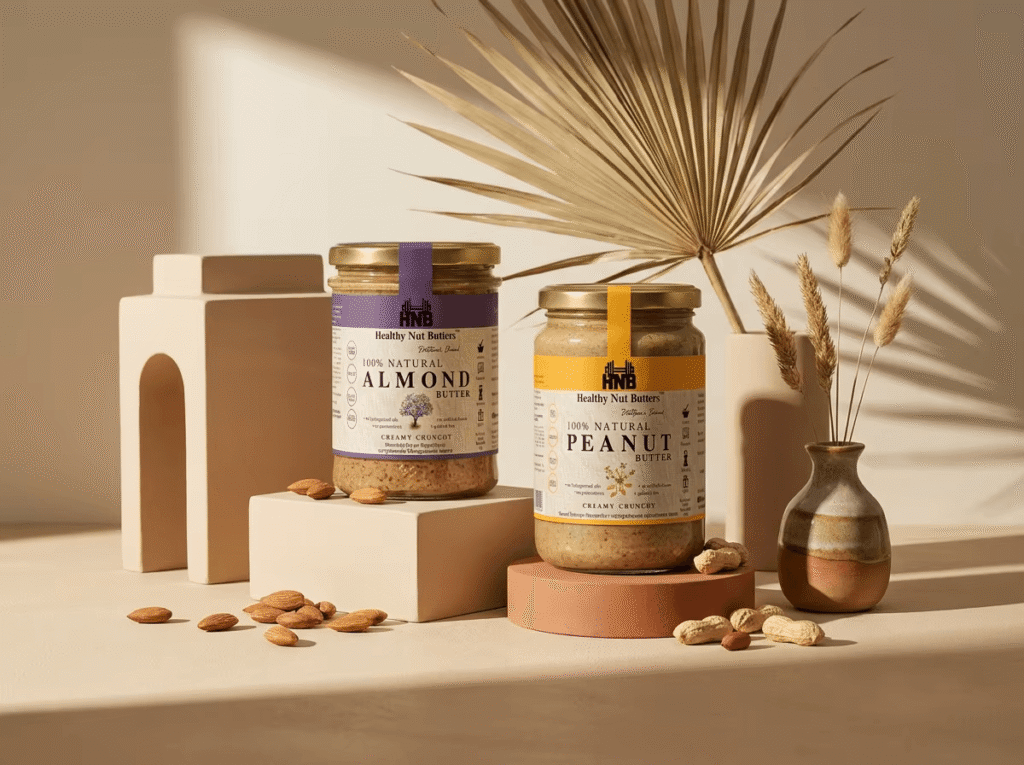
Two beloved nut butters, side by side — and the one variable that matters more than the nut itself.
A Connoisseur's Question
The peanut butter vs almond butter debate has become a quiet rite of passage for anyone serious about what they eat. Both are dense, plant-based, and genuinely nourishing; both have earned their place in a considered pantry. The question is less about a winner than about understanding what each brings.
Choosing between them is the kind of small, deliberate decision that defines a refined relationship with food. It rewards attention rather than dogma.
So we will resist the temptation to crown a champion and instead lay the two out honestly — because the most important distinction, as it happens, is not the one most people argue about.
The Trap of the Wrong Comparison
The common error is to treat "almond" and "peanut" as the whole story, when the decisive variable is purity. A pristine, single-ingredient peanut butter will outperform an almond butter loaded with sugar and palm oil — and the reverse is equally true.
In other words, the species matters far less than the ingredient list. A sweetened, stabilized jar of either nut forfeits much of the advantage that made it worth eating.
Keep that in mind as the numbers follow. They describe the pure versions of each — the only versions worth comparing.
Peanut Butter vs Almond Butter, Measured Honestly
Set side by side in their natural forms, the two are far more alike than the marketing suggests. Both deliver roughly 180–195 calories and about 7 grams of plant protein per two-tablespoon serving, and both are built predominantly on heart-favorable unsaturated fat (USDA nutrient data).
The differences are real but modest. Almond butter carries a touch more monounsaturated fat, notably more fiber, and several times the vitamin E, along with more calcium, iron, and magnesium. Peanut butter answers with marginally more protein, more of certain B-vitamins such as niacin and folate, and — not trivially — a gentler price.
Both sit within the same well-studied family. Regular consumption of nuts and peanuts has been associated with lower cardiovascular risk (Journal of the American College of Cardiology, 2017) and a lower risk of type 2 diabetes (JAMA, 2002).
Side by Side (per ~2 tbsp / 32 g, natural)
| Attribute | Peanut Butter | Almond Butter |
|---|---|---|
| Calories | ~190 | ~180–190 |
| Protein | ~7–8 g | ~7 g |
| Total fat | ~16 g | ~16–18 g |
| Monounsaturated fat | High | Slightly higher |
| Fiber | ~2–3 g | ~3–4 g |
| Vitamin E | Present | ~3× higher |
| Standout minerals | Niacin, folate | Calcium, iron, magnesium |
| Cost | Lower | Higher |
The verdict on nutrition alone tilts gently toward almond butter for its fiber and micronutrient edge. The verdict on value, versatility, and protein tilts toward peanut. Both are sound.
Choosing Well in Practice
Here is the practical resolution: pick the nut you genuinely enjoy, then refuse to compromise on its quality. A peanut butter you will eat happily every day, made of nothing but peanuts, beats an almond butter you bought for status and abandoned in the cupboard.
This is the same logic at the heart of our pillar guide on whether peanut butter is healthy — the jar's contents matter more than its label's promises.
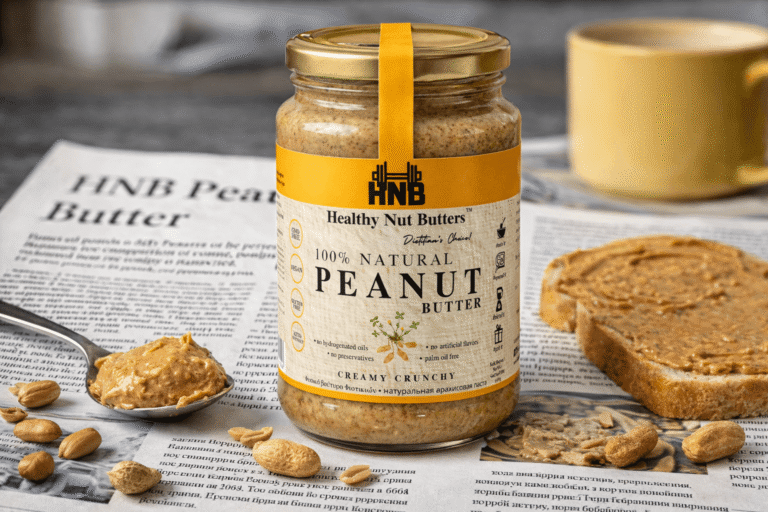
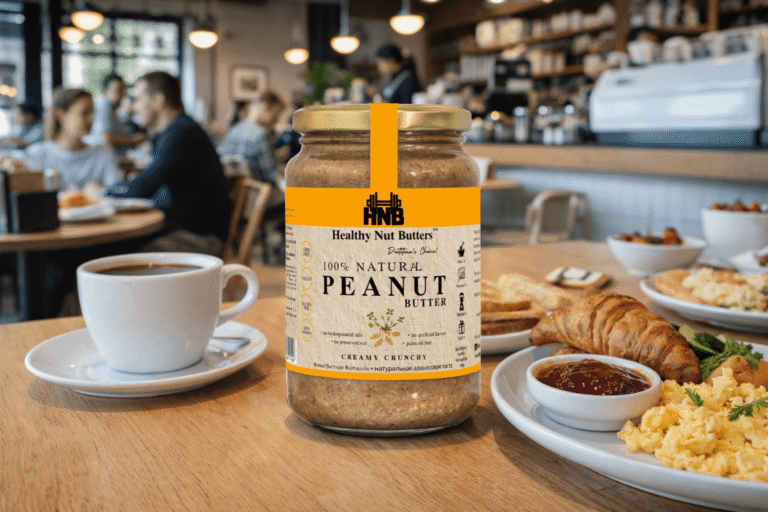
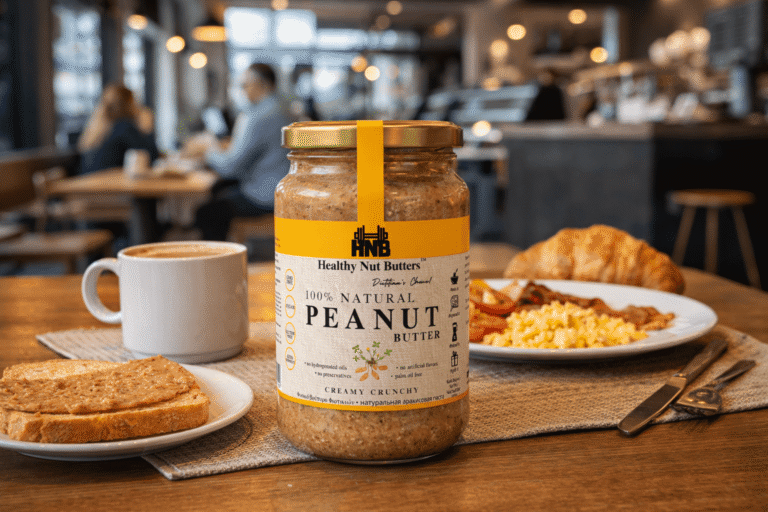
When the choice lands on peanut, our editorial team's screened recommendation is the HNB 100% Classic — a single-ingredient jar that gives the comparison a fair fight.
The Closing Thesis
The Takeaway: The peanut butter vs almond butter question has no universal answer, and that is precisely the point. Both are nutrient-dense, both are heart-plausible, and both are only as good as their ingredient list allows. Choose the one you will return to, insist that it contain nothing but the nut, and the debate resolves itself in your favor — whichever spoon you reach for.
JOIN THE READING CLUB
Get new articles, recipes, and member-only offers - straight to your inbox.