One Ingredient, or Eleven?
A quiet investigation into what separates a jar of peanuts from a jar that merely says so.
The Difference a Label Conceals
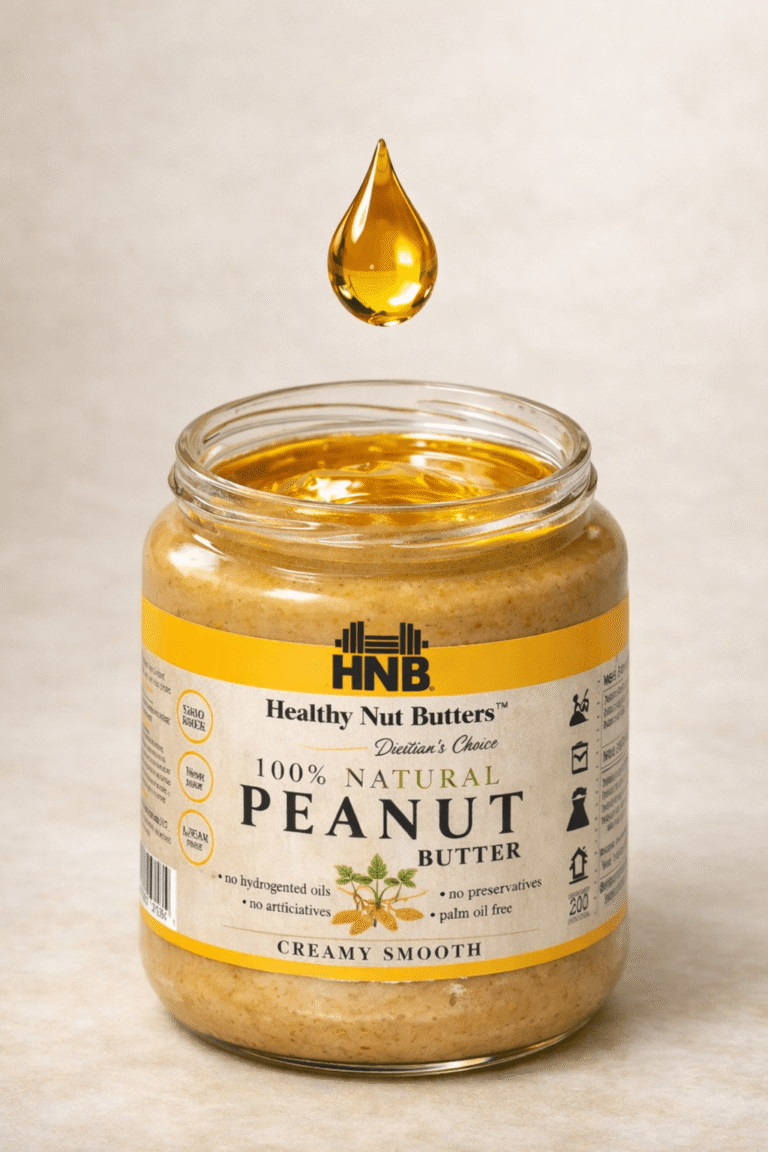
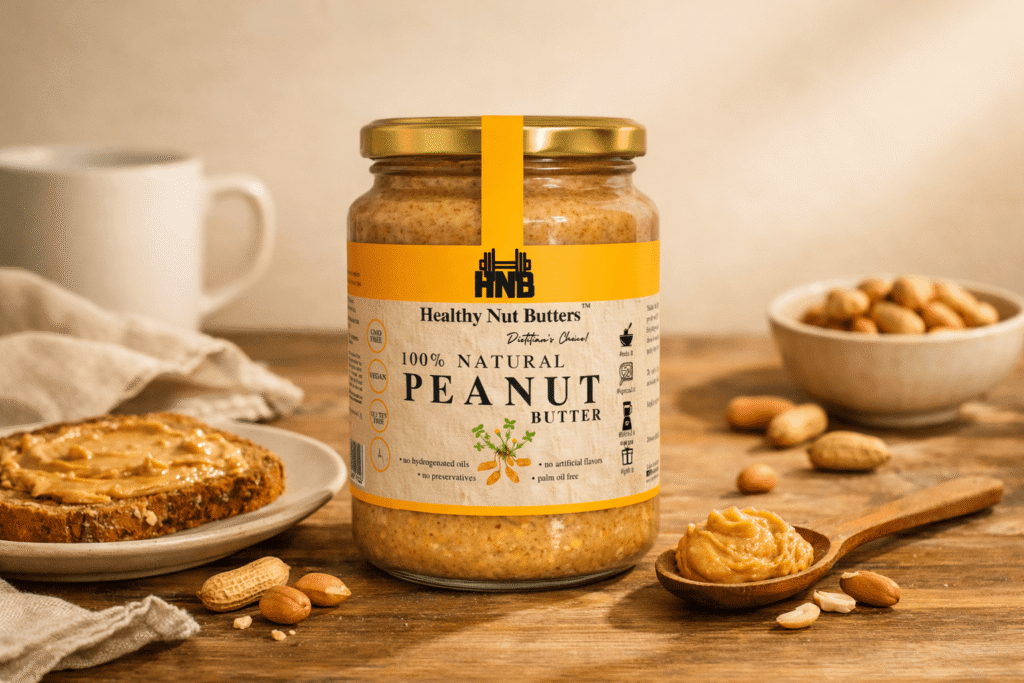
The line between natural vs commercial peanut butter is not a matter of branding — it is a matter of biochemistry. One is, quite literally, peanuts. The other is an engineered emulsion built for shelf life, mouthfeel, and margin, with the peanut as merely its largest ingredient.
To the eye, the two are almost indistinguishable: same color, same creaminess, same comforting promise on the front of the jar. The story changes entirely when you turn it over.
This is where the discerning reader earns their advantage. The front of the package is marketing; the ingredient list is the truth.
What Gets Added, and Why It Matters
The shortcuts in a commercial jar are predictable once you know the pattern. Hydrogenated or palm oils are blended in to stop the natural oil from separating — a cosmetic fix that alters the fat profile in the bargain.
Added sugars turn a savory, blood-sugar-friendly food into something closer to a dessert. Emulsifiers and stabilizers smooth the texture while contributing nothing your body can use.
None of these serve the person eating them. They serve the product — its appearance, its longevity, its cost of production. The eater simply absorbs the consequences.
The Closing Thesis
The Takeaway: The choice between natural vs commercial peanut butter is, in the end, a choice about who the food is made for — you, or the supply chain. Strip away the sugar, the hydrogenated oil, and the stabilizers, and what remains is exactly what the jar always promised: peanuts. Reading one ingredient instead of eleven is the smallest possible act of self-respect at the breakfast table, and one of the most consequential.
JOIN THE READING CLUB
Get new articles, recipes, and member-only offers - straight to your inbox.